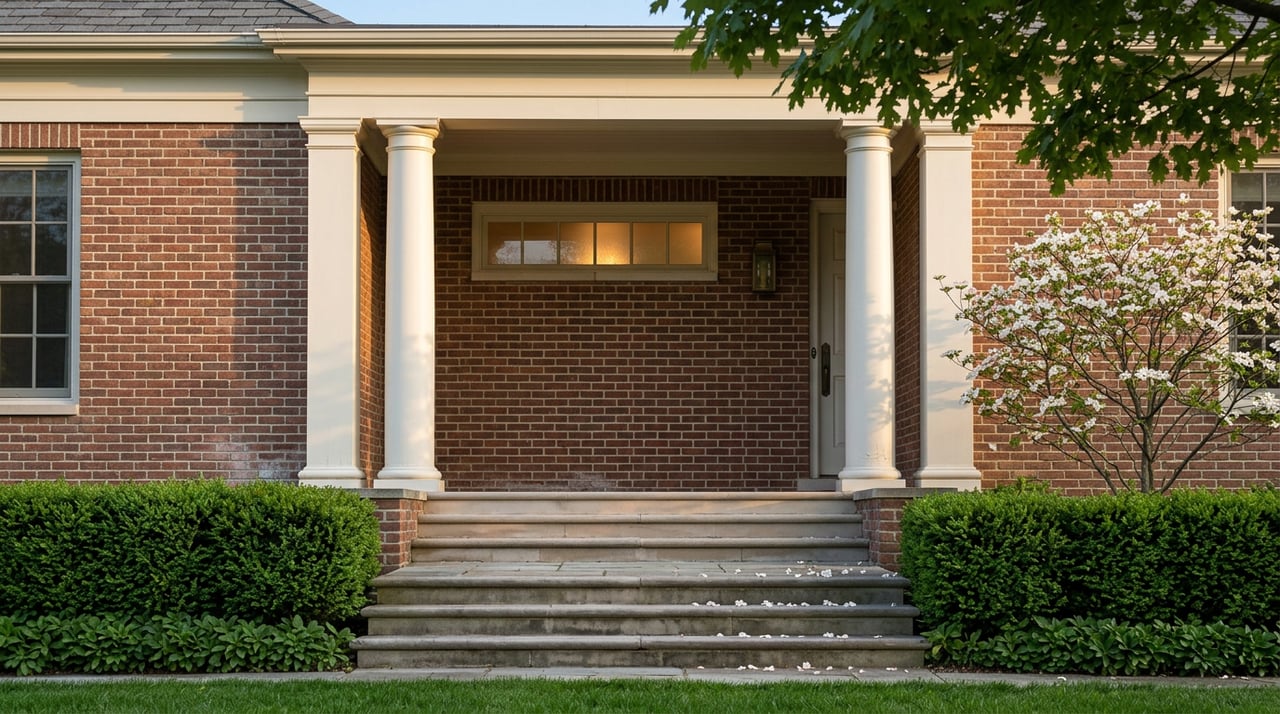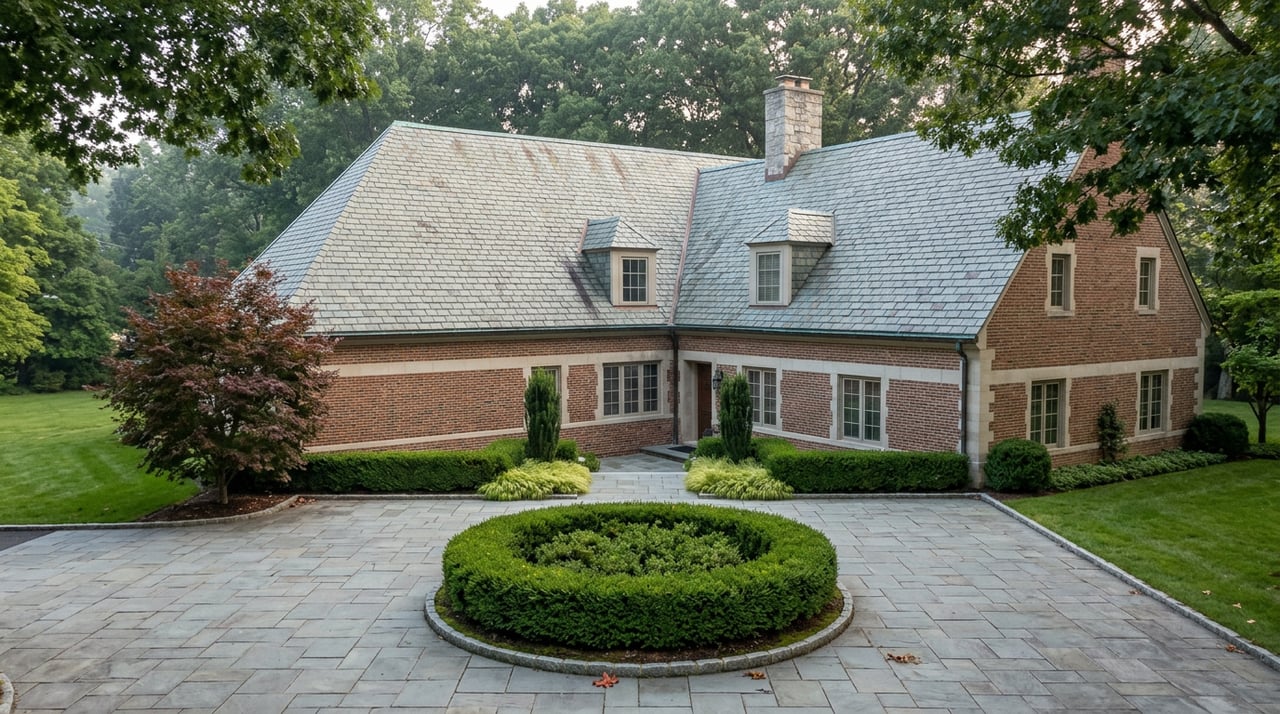
Two houses on the same Franklin Lakes street can carry wastewater systems installed in the same decade, sized for the same number of bedrooms, and reviewed by the same inspector using the same protocol. One seller writes a check for a new system before closing. The other doesn't spend a dollar. The difference rarely has anything to do with how well either system actually functions. It comes down to a single classification the inspector chooses to write on the report: cesspool, or something else.
That distinction sounds like paperwork. In a borough where close to three in ten homes were built between 1940 and 1969, squarely inside the era when cesspools were the standard answer for sewage disposal on large residential lots, it is one of the more consequential lines in the entire transaction.
The Rule That Doesn't Care How Old The System Is
New Jersey's septic regulations live in N.J.A.C. 7:9A, and Franklin Lakes' own Board of Health has posted a plain-language Septic FAQ explaining how the rule applies inside the borough. The relevant answer is short and unambiguous:
Yes. All cesspools, whether functioning or not, must be replaced with a septic system if identified upon inspection for a realty transaction.
Read that again. It says nothing about age. It says nothing about whether the system is failing, backing up, or has quietly served a household for four decades without incident. If a realty-transaction inspection identifies the system as a cesspool, replacement is mandatory, full stop.
Now the part that catches sellers off guard: the same borough guidance draws a firm line around what doesn't trigger that requirement. A seepage pit or an older traditional septic system that no longer meets current design standards is not required by the rule to be upgraded, even when it's functionally similar to a cesspool in nearly every practical sense. A system can be decades old, undersized by today's standards, and still carry no mandatory replacement obligation, simply because it was built and classified as a septic system rather than a cesspool.
Two Classifications, Two Very Different Bills
| Classification at inspection | What the rule requires | What that means at closing |
|---|---|---|
| Cesspool, functioning or not | Mandatory replacement with a compliant septic system before the sale proceeds | A new system typically runs $5,000 to $20,000 depending on design and site conditions, plus Board of Health permitting time |
| Seepage pit or older septic system that no longer meets current standards | No mandatory upgrade under the realty-transaction rule | Seller has no forced replacement obligation, though condition still belongs in disclosure conversations with a buyer |
The cost swing sits entirely on which word appears in the report. That is the mechanism sellers need to understand before a buyer's attorney raises it for them.
The Inspection Itself Is What Sets The Rule In Motion
New Jersey has no single statewide law forcing every home sale to include a septic inspection. Whether one happens at all is often a matter of lender requirements or buyer preference. But once a septic inspection does happen as part of a Franklin Lakes sale, the results stop being private between buyer and seller. Under N.J.A.C. 7:9A 12.6(d), the inspection company is required to submit a copy of its report directly to the authority, not simply hand it across the closing table. And under Franklin Lakes' own code, only installers licensed by the borough's Board of Health are permitted to perform the repair if replacement is required.
That means the inspection is not just a due-diligence step a buyer's agent requests. It is the event that creates a paper trail with the municipality. If that trail contains the word cesspool, the obligation exists independent of what either side might prefer to negotiate.
Why This Lands Harder In Franklin Lakes Than In A Sewered Town
Much of Franklin Lakes still runs on private septic rather than municipal sewer. The borough has extended sewer service to specific pockets over time. One local ordinance authorized a developer to run a sanitary sewer line along Colonial Road to a trunk line owned by the Northwest Bergen County Utilities Authority, a project scoped narrowly enough that it served only the properties along that stretch. Extensions like that are the exception, not the norm, across a town where roughly 28 percent of the housing stock dates to the 1940-1969 window, according to NeighborhoodScout's appreciation data for Franklin Lakes. Older housing stock paired with limited sewer buildout means the cesspool-or-not question comes up here more often than in towns built out after municipal sewer became the default.
The Market Isn't Giving Sellers Room To Absorb A Surprise
This is where classification stops being a technicality and starts affecting leverage. Franklin Lakes' own sales data this year tells two different stories depending on which tracker is pulled. One home-value model put the town's typical home value at roughly $1.35 million as of late June 2026, up 4.2 percent over the prior year. A separate monthly sales tracker showed a median sale price closer to $3.0 million in March 2026, up 13.6 percent year over year, drawn from just seven closed transactions that month, with homes taking 204 days to sell on average compared with 222 days the year before.
Those figures aren't really in conflict. One measures a broad valuation model across the entire housing stock. The other is a monthly median built from a handful of high-end closings. The practical lesson for a seller is the same either way: Franklin Lakes' luxury segment moves through a thin, slow sales calendar, with homes sitting on market for the better part of seven months in some stretches. That is not a market where a seller has room to lose weeks mid-contract because an inspection report used one word instead of another and neither side saw it coming.
A Sequence That Keeps You In Control
- Order your own septic inspection before listing, through a Franklin Lakes-licensed installer, and ask directly whether the system will be classified as a cesspool or a septic system under N.J.A.C. 7:9A.
- If it comes back a cesspool, get quotes now. Local septic and sewer contractors, Sewer-Man among them, can scope a replacement and give you a realistic cost and permitting timeline before a buyer's attorney is asking for it under contract pressure.
- If it's an older septic system or seepage pit that falls short of current standards but isn't classified as a cesspool, understand you carry no mandatory replacement obligation under the realty-transaction rule. That's a negotiating position, not a reason to skip disclosure.
- Keep your own copy of the inspection report and any Board of Health correspondence. Since the report goes to the municipality under 12.6(d), your contractor and attorney should hold the same paperwork the borough does.
- Build the timeline into your listing strategy rather than into the middle of a signed contract. A permitting and installation window measured in weeks is far easier to absorb before a buyer is counting days against you.
Frequently Asked Questions
Does every home sale in Franklin Lakes require a septic inspection? New Jersey has no single statewide law mandating a septic inspection at every sale. Franklin Lakes' Board of Health guidance is written around what happens once an inspection occurs for a realty transaction, which in practice means most private septic properties get inspected as part of the sale process even without a blanket state requirement.
Who is allowed to do the replacement work if a cesspool is found? Only septic installers licensed by Franklin Lakes' Board of Health are permitted to perform septic repairs or replacements within the borough.
Does an older septic system that passes the realty-transaction rule still need to be disclosed? Yes. Even where the rule doesn't force replacement, the system's actual condition is a material fact in the transaction. Treating it as a disclosed negotiating point rather than a hidden variable protects a seller far better than hoping it never comes up.
Working Through It With Someone Who Knows The Borough
Franklin Lakes rewards sellers who get ahead of the paperwork, not sellers who hope an inspector's word choice breaks their way. The Luberto Group pairs the kind of presentation and discretion a luxury listing deserves with the transaction-specific knowledge a septic classification question demands. If you're weighing a Franklin Lakes listing and want a clear read on what your own system will show under N.J.A.C. 7:9A before a buyer's inspector finds it first, reach out and let's walk through it together.